
Transforming the Backyard: A Guide to Choosing the Perfect Outdoor Batting Cage Net
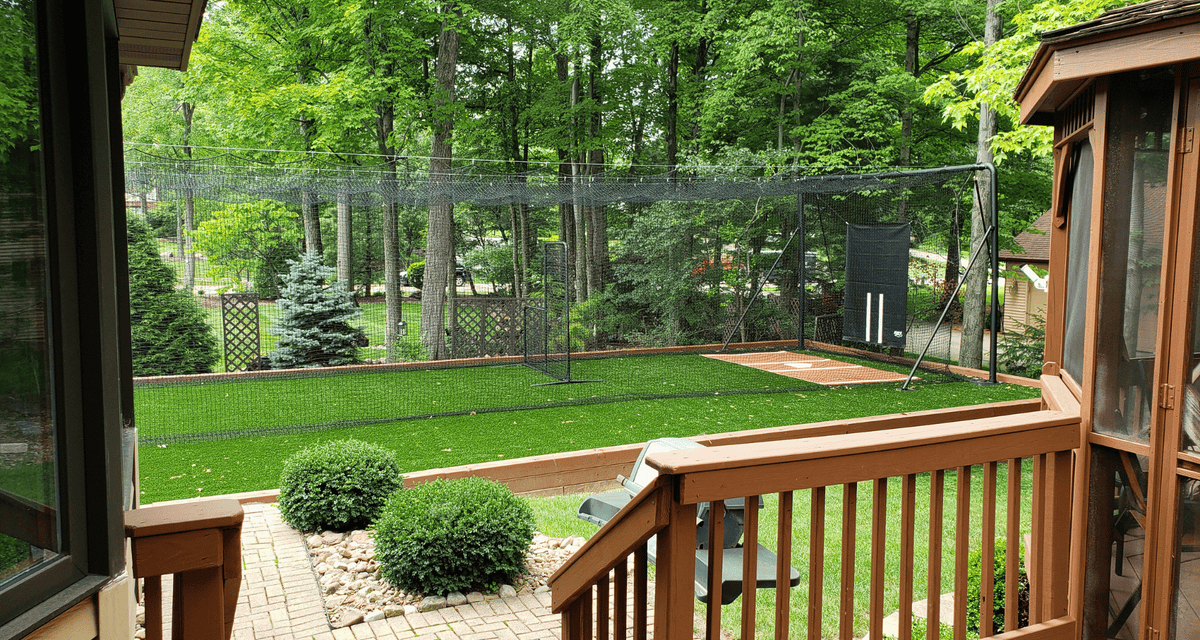
For any aspiring ballplayer or dedicated enthusiast, the convenience of having an Outdoor Batting Cage Net – Batting Cages Inc in the backyard is the ultimate dream. It offers the opportunity for daily practice, refined mechanics, and a safe environment to push physical limits without the need to travel to a local park or commercial facility. However, the success of a home training setup hinges almost entirely on the quality and specifications of the netting. Choosing the wrong material can lead to frequent repairs, safety hazards, or a structure that succumbs to the elements within a single season. Understanding the nuances of netting technology is the first step toward building a professional-grade practice space that lasts for years.
Deciphering Twine Size and Break Strength
Once you have chosen a material, you must determine the appropriate twine size, which is denoted by a number such as eighteen, thirty-six, or sixty. This number refers to the thickness of the individual strands woven together to form the net. A lower number indicates a thinner twine, while a higher number indicates a thicker, heavier net. For a standard backyard cage used by youth players, a twine size of twenty-one or thirty-six is often sufficient. These sizes provide a good balance between weight, visibility, and durability.
Professional-grade cages or those intended for high school and college-aged athletes typically require a minimum of thirty-six or even sixty. The thickness of the twine directly correlates to the break strength, which is the amount of force required to snap the cord. While it might be tempting to save money by purchasing a thinner net, it is important to remember that the constant impact of baseballs or softballs creates significant wear over time. Investing in a thicker twine size ensures that the net can withstand thousands of repetitions without developing holes that could compromise the safety of the surrounding area.
The Role of Mesh Size and Construction
The mesh size refers to the dimensions of the square openings within the net. For baseball and softball, a one-and-three-quarter-inch square mesh is the industry standard. This size is small enough to ensure that the ball cannot pass through while allowing for maximum visibility for the hitter and anyone watching from the outside. The way the mesh is hung also matters. Square-hung netting is generally preferred over diamond-hung netting because it hangs more naturally, looks cleaner, and offers a more predictable “give” when struck by a ball.
In terms of construction, you will encounter two main types: knotted and knotless. Knotted netting is the traditional choice, featuring small knots at every intersection of the twine. These knots provide extra strength and prevent the net from unraveling if a single strand is cut. Knotless netting, however, is becoming increasingly popular because it is smoother to the touch and tends to have a more consistent breaking strength across the entire surface. Because it lacks the friction points created by knots, some argue that knotless netting can actually last longer in high-friction environments, though both styles are effective when manufactured to high standards.
Making a Long-Term Investment in Performance
Ultimately, choosing the right outdoor batting cage net is about matching the equipment to the level of play and the local environment. A well-chosen net provides a sense of security, knowing that errant balls will be contained and that the structure will remain a fixture of the backyard for many seasons to come. While the initial cost of premium nylon or a higher twine size may be higher, the longevity and safety it provides offer a much better value over time.
By focusing on material quality, UV protection, and proper installation techniques, you can create a professional practice environment right outside your back door. This investment not only improves the skills of the athletes using it but also adds a unique value to the home. With the right netting in place, the backyard becomes more than just a lawn; it becomes a sanctuary for improvement and a place where the next generation of ballplayers can hone their craft in any weather.