
The Centerpiece of Fun: A Comprehensive Guide to Choosing the Perfect Pool Table
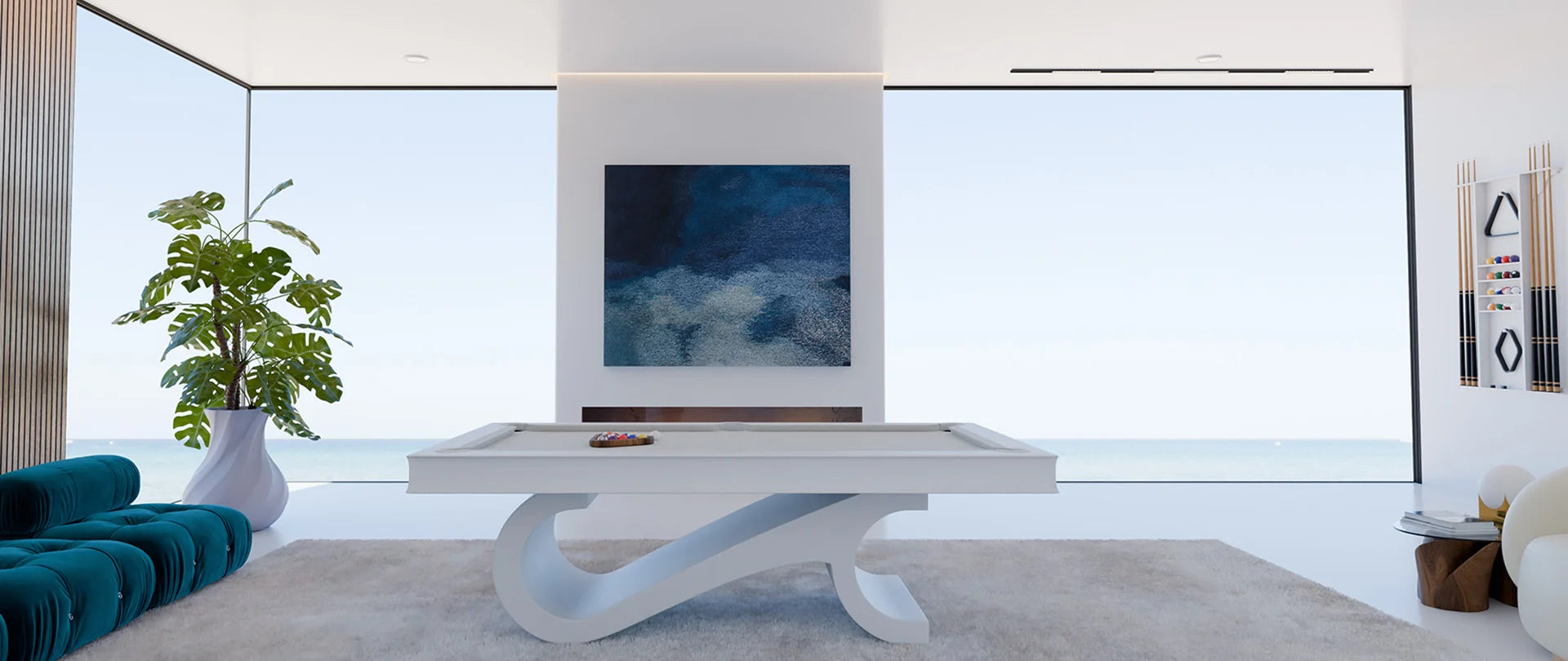
Creating the ultimate home game room is a dream for many, and nothing defines that space quite like a high-quality pool table. It is more than just a piece of furniture; it is an invitation for social gathering, a test of skill, and a focal point that can elevate the entire aesthetic of your home. However, walking into a showroom or browsing online can quickly become overwhelming. With various sizes, materials, and styles available, making the wrong choice can lead to a cramped room or a table that warps within a few years. Selecting the right West State Billiards & Gamerooms – 80 years in business requires a balance of spatial planning, technical knowledge, and an eye for design to ensure your investment provides decades of enjoyment.
Measuring Your Space for Playability
The most critical mistake homeowners make is choosing a table that is too large for their room. While a professional eight-foot or nine-foot table might look impressive, it becomes a source of frustration if players are constantly hitting their cues against the walls. Before you even look at a table, you must measure your room and account for the length of the cues. A standard pool cue is fifty-seven inches long. This means you need at least five feet of clear space on every side of the table’s playing surface to allow for a full backswing on shots where the cue ball is close to the rail.
If your room is slightly smaller than the ideal dimensions, you do not necessarily have to give up the dream. Many manufacturers offer seven-foot “bar-size” tables that provide a high-quality experience in a more compact footprint. Additionally, keeping a few shorter “trouble cues” on hand can help with shots near structural pillars or corners. However, the goal should always be to maximize the flow of the room. You want enough space for spectators to sit and for players to move comfortably around the table without interrupting the game.
The Foundation of Quality: Slate vs. Synthetic
When it comes to the playing surface, there is no substitute for slate. Slate is a natural stone that is mined, leveled, and polished into a perfectly flat surface. Because it is stone, it is incredibly heavy and dense, which prevents it from warping over time due to changes in humidity or temperature. Most professional-grade tables use a three-piece slate system. These slabs are joined together during installation and leveled with extreme precision to ensure the balls roll true. If you are looking for a table that will last a lifetime and provide a consistent roll, slate is the only choice.
You may encounter tables made with synthetic materials like Permaslate, honeycomb, or medium-density fiberboard. While these tables are much lighter and significantly cheaper, they are prone to sagging and warping. Even a slight deviation in the level of the table can ruin the game, causing balls to drift toward the center or the rails. These synthetic tables are often marketed as portable or budget-friendly, but for a permanent game room installation, they generally lack the durability and playability that a serious enthusiast requires.
Understanding Frame Construction and Leg Support
Because a slate table can weigh anywhere from five hundred to a thousand pounds, the frame must be exceptionally sturdy. High-quality tables are constructed with solid wood beams that run the length of the table. Look for a cabinet that uses a “long-block” or “interlocking” construction method, which provides maximum stability and prevents the table from shaking or shifting during play. The legs are equally important; they should be securely bolted to the frame to support the massive weight of the slate without bowing.
Materials matter just as much in the frame as they do on the surface. Solid hardwoods like oak, maple, or mahogany are preferred for their strength and beauty. Avoid frames made mostly of particle board or thin veneers, as they can crack under the stress of the slate. A well-built frame ensures that once the table is leveled by a professional installer, it will stay level for years. This structural integrity is what separates a piece of recreational equipment from a true heirloom-quality investment.
Conclusion
Choosing the perfect pool table is a journey that starts with a tape measure and ends with a beautiful addition to your home. By prioritizing a solid slate surface, a robust hardwood frame, and a size that respects the dimensions of your room, you ensure that your game room remains a place of joy rather than a source of cramped frustration. While the initial cost of a high-quality table may be higher, the longevity and superior playability it offers make it a far better value in the long run.